In 2026, Brazil faces an economic scenario marked by reduced inflation and prospects for moderate growth. This process is the result of rigorous macroeconomic policies and adjustments in key variables.
The management of inflation control and stability expectations are central factors that guide investment and consumption decisions in the country. These elements configure a panorama of balance and economic prudence.
This analysis explores the main inflation metrics, GDP projections, business confidence, exchange market and trade performance to understand the Brazilian economic context in the coming year.
Macroeconomic Context and Inflation Measurement
In Brazil, inflation is measured mainly by the HICP and the PGI-M, with the HICP as an official reference for monetary policy.
The IGP-M is commonly used for contractual readjustments, especially in rentals, reflecting wholesale and construction inflation.
In 2026, there is a moderate economic slowdown and restrictive policies with high rates to control inflation.
Inflation projection for 2026 and differences between HICP and PGI-M
The IPCA expectation for 2026 fell to 4%, reflecting inflationary control, although some analysts estimate up to 4.5%.
The projected PGI-M is lower, around 3.87%, due to its composition that includes wholesale prices as well as consumption.
The difference between both indices is that the IPCA measures consumer prices, while the IGP-M incorporates production costs.
Factors driving the reduction of inflation in Brazil
Contractive monetary policy and the high Selic rate cool demand, contributing to reduced inflation.
Slowing GDP growth also reduces inflationary pressures, moderating price increases.
Exchange stability and control in sectors such as transportation favor a downward trend in price indicators.
Economic Growth and GDP Projections
Brazil's economic growth in 2026 is expected to be moderate, influenced by restrictive fiscal and monetary policies that seek to stabilize the economy.
Sectors such as agriculture and industry are expected to maintain positive performance, boosting national economic activity.
However, domestic consumption could show a slower pace due to inflation control and the high interest rate.
Projection of Brazilian GDP growth in 2026
Projections point to GDP growth between 1.5% and 2.0% by 2026, reflecting a more stable economic environment but contained expansion.
This moderate growth is the result of the balance between reducing inflation and the limitations imposed by rigorous monetary policies.
Public and private investment plays an essential role in sustaining expansion within these conservative expectations.
Comparison of economic growth with the previous year and determining factors
Compared to 2025, GDP growth in 2026 will be lower, due to the slowdown accompanying measures to control inflation.
Factors such as the high Selic rate and lower levels of domestic consumption explain this slowdown in the economic pace.
However, the macroeconomic stability achieved generates a favorable environment for future investments and sustained growth.
Business Trust and Exchange Market
Business confidence in Brazil shows signs of moderate recovery, driven by expectations of economic stability and inflationary control.
This increase in confidence encourages more cautious but constant investment decisions, favoring sustainable economic growth.
However, the persistence of high interest rates limits more robust optimism among entrepreneurs and productive sectors.
Indicators of business confidence and its impact on the economy
The indicators reflect better business sentiment in 2026, with greater willingness to start projects and expand operations despite economic challenges.
This trend promotes job creation and improvement in productivity, key elements to strengthen economic activity.
Relying on a stable macroeconomic environment positively influences medium-term investment expectations.
Exchange rate stability and its influence on the export market
The exchange rate maintains relative stability during 2026, which favors the competitiveness of Brazilian exports in international markets.
A stable real reduces volatility for exporters, increasing their capacity for trade planning and negotiation.
This scenario contributes to maintaining the trade surplus and strengthens confidence in the external sector in the face of global uncertainties.
Business Performance and Future Prospects
Brazil's trade performance in 2026 is characterized by sustained export growth, even in an uncertain global economic scenario.
The diversification of markets and products boosts the resilience of the external sector in the face of international fluctuations.
Furthermore, the trade surplus remains solid, supported by exchange stability and constant demand for commodities.
Export growth and trade surplus in 2026
Brazilian exports show moderate growth, driven by competitiveness in key sectors such as agribusiness and mining.
The trade surplus in 2026 is projected to be positive, contributing to the improvement of the balance of payments and strengthening of reserves.
This evolution reflects the country's ability to adapt to external conditions and take advantage of opportunities in international markets.
Balance between inflationary control and future economic slowdown
Effective inflation control contributes to economic stability, although it limits the dynamism of growth in the short term.
The future economic slowdown is perceived as a necessary adjustment to consolidate solid foundations for sustainable development.
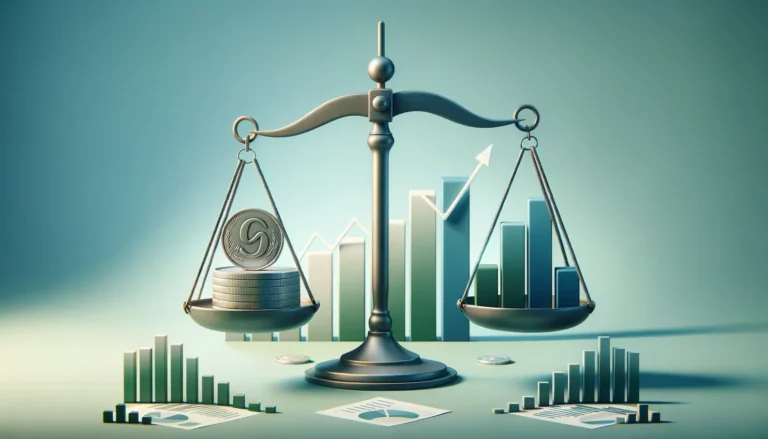
Together, these dynamics form a balance between mitigating inflationary risks and promoting harmonious growth in the medium term.