Models and tools to generate realistic images with AI
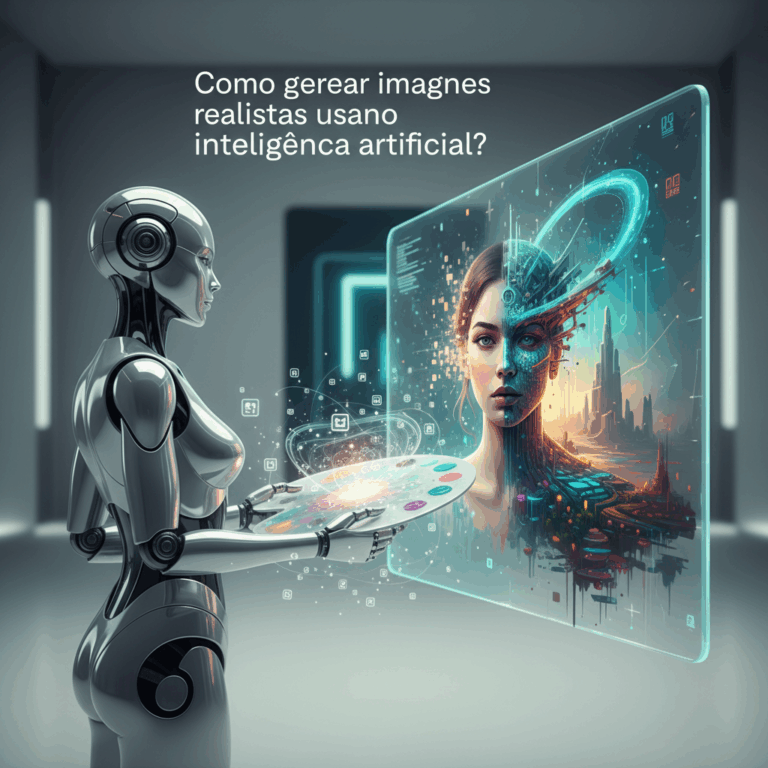
To create realistic images with artificial intelligence, they are used advanced models based on deep learning that interpret textual descriptions to generate visual content.
These technologies allow simple transformations prompts in detailed and photorealistic images, thanks to the use of neural networks and diffusion models trained with large volumes of data.
The use of specialized tools simplifies visual creation, providing high-quality results for various creative and professional purposes.
Generative neural networks and diffusion models
Generative neural networks are algorithms that learn to create new images from patterns in existing data, providing a high level of realism.
Diffusion models work by generating images from random noise and progressively refining them into coherent, detailed shapes based on the initial description.
Both technologies allow AI to interpret and replicate complex visual features such as textures, lighting and shapes with great precision.
These techniques ensure that the images generated are not only consistent with the text, but also visually striking and natural.
Main platforms: DALL·E 2, MidJourney and Leonardo AI
DALL·E 2 is known for its ability to create realistic and detailed images based on very specific textual instructions.
MidJourney stands out for its artistic style and its ability to generate images with a unique atmosphere, combining realism and creativity.
Leonardo AI offers powerful tools for designers, facilitating the rapid and accurate generation of images adapted to different visual needs.
These platforms have friendly interfaces, allowing users from beginners to experts to obtain professional results with ease.
Steps to create realistic images with artificial intelligence
Creating realistic images with AI requires one careful planning by providing detailed descriptions that guide the model in visual generation.
It is essential to correctly choose and configure the AI model so that it adequately responds to the characteristics expected in the final image.
In addition, parameter adjustment and the use of refinement tools allow improving the quality and precision of the visual result.
Describe the visual content in detail
An accurate description includes details about the lighting, textures, styles and composition, helping the AI understand the scene it must create.
The more specific the prompt, the more accurate and realistic the image generated will be, avoiding ambiguous interpretations or generic results.
It is important to consider aspects such as atmosphere, focus and key elements to obtain images that faithfully reflect the user's intention.
Select and configure the AI model
There are different models with specific strengths, for example, some are ideal for photographic realism while others offer a more artistic style.
Configuring the model involves choosing parameters such as the type of output and complexity to suit the purpose of the image, optimizing resources and time.
Careful model selection directly impacts the quality and naturalness of the generated image, facilitating better results.
Adjust quality and resolution parameters
Parameters like resolution, aspect ratio and quality they define the sharpness and final size of the image, crucial for use on different platforms.
It is advisable to adapt these settings according to the purpose, distinguishing between images for web, printing or multimedia projects.
The balance between quality and generation time is also vital, as very high configurations may require more computational resources.
Use editing and refinement tools
After generating the image, the use of editing functions allows eliminate imperfections or enhance details, improving the final appearance.
Additionally, tools for modifying colors, adjusting lighting, or adding filters offer greater control to achieve the desired effect.
This step ensures that the image is not only realistic but also aligned with the user's creative or professional goals.
Operation and accessibility of AI image generation
AI imaging is based on models trained with millions of examples, allowing AI to learn to create images true to user cues.
This automated process makes it easy to create realistic visual content, expanding access to advanced techniques without requiring deep technical knowledge.
Current tools seek to combine power and simplicity, making the technology accessible to users with different levels of experience.
Training models with large databases
AI models are trained with huge databases containing images and descriptions, allowing AI to understand and replicate complex visual details.
This training allows AI to predict the best way to transform text into a coherent and realistic image, based on patterns learned from thousands of examples.
The use of diverse and extensive databases is key to improving precision and variety in generation, avoiding repetitive or unnatural results.
Intuitive interfaces for diverse users
AI imaging platforms often offer friendly interfaces, designed so that users from beginners to experts can easily use them.
These interfaces allow you to enter descriptions, adjust parameters and view results quickly, facilitating creativity without technical complications.
Easy access to these tools promotes their use in areas such as design, marketing and art, democratizing digital graphic creation in different sectors.
Applications and recommendations for AI generated images
Images generated by AI have revolutionized sectors such as design, marketing and art, allowing visual content to be created with great speed and personalization.
These tools provide significant advantages, facilitating the generation of impactful images that can be adapted to various projects and platforms.
Uses in design, marketing and artistic projects
In graphic design, AI helps create innovative visual concepts and unique styles, accelerating the creative process without sacrificing quality.
Marketing takes advantage of images generated for personalized campaigns, managing to capture the public's attention with original and relevant visual content.
Artists can experiment with new expressions, using AI as an ally to explore complex ideas or produce works with realistic and emotional touches.
Customization and export for different platforms
AI tools allow each image to be adjusted according to the format and specific requirements of social networks, websites or printed materials.
It is possible to modify the resolution, style and visual elements to optimize the image based on its destination and target audience, ensuring maximum effectiveness.
Exporting in multiple formats facilitates integration into various digital environments, facilitating its immediate use in professional or personal projects.